Tips & Ideas
Best Season & Weather for Pikey Peak Trek
The Pikey Peak Trek is a flexible trekking destination that can be enjoyed almost year-round, thanks to its moderate altitude and location in the lower Solukhumbu region. However, weather conditions vary significantly by season, directly affecting visibility, trail conditions, temperature, and overall trekking comfort. Choosing the right season can greatly enhance the experience.
Spring Season (March – May)
Best for flowers, clear skies, and comfortable temperatures
Spring is one of the most popular and scenic seasons for the Pikey Peak Trek. As winter snow melts, the trails come alive with blooming rhododendron forests, wildflowers, and lush greenery.
Daytime Temperature: 10°C to 18°C
Night Temperature: 0°C to 5°C (can drop below freezing at higher camps)
Weather Conditions: Mostly stable with clear mornings
Visibility: Excellent, especially early mornings and evenings
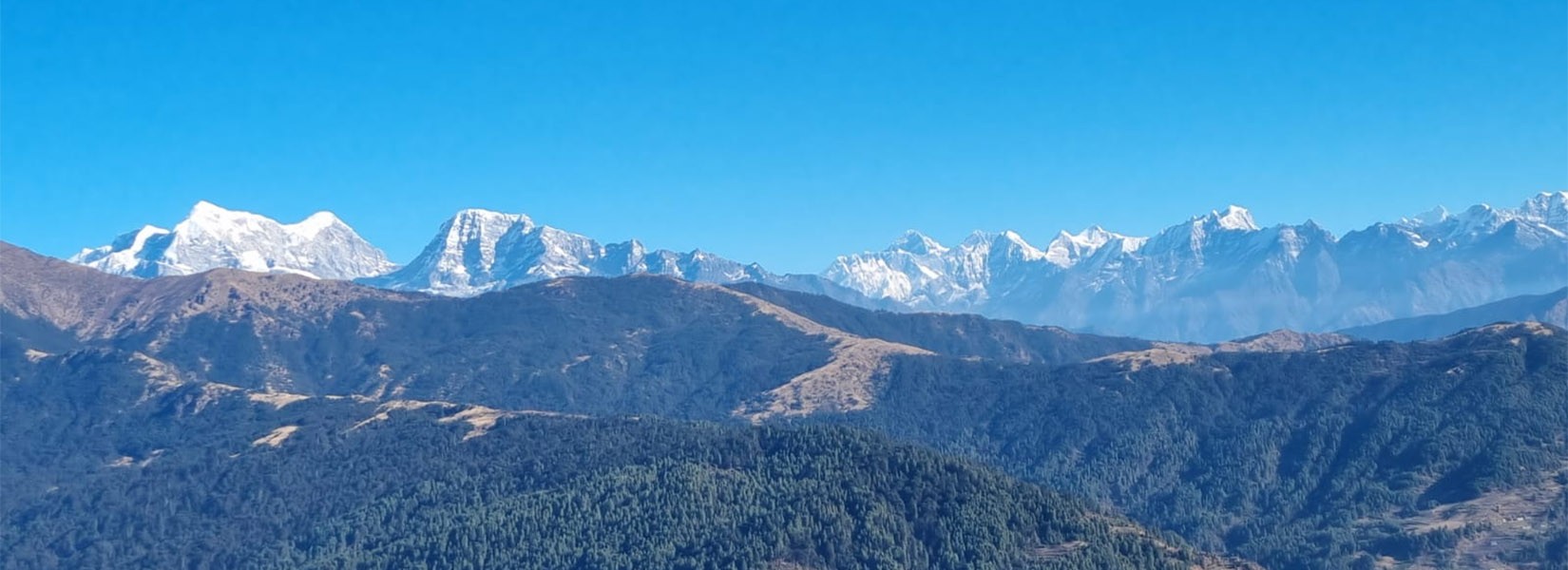
Spring offers spectacular sunrise and sunset views from Pikey Peak, with snow-capped Himalayan giants clearly visible. This season is ideal for photography, first-time trekkers, and nature lovers.
Autumn Season (September – November)
Best overall season for views and weather stability
Autumn is considered the best season overall for the Pikey Peak Trek. After the monsoon rains wash the dust from the atmosphere, the skies become crystal clear, providing the sharpest mountain views of the year.
Daytime Temperature: 8°C to 15°C
Night Temperature: -2°C to 4°C
Weather Conditions: Dry, stable, and cool
Visibility: Outstanding, with long-distance Himalayan views
The trails are dry and well-defined, making walking comfortable and safe. Autumn also coincides with major Nepali festivals like Dashain and Tihar, allowing trekkers to experience local culture and celebrations along the route.
Winter Season (December – February)
Best for solitude and dramatic snow landscapes
Winter trekking to Pikey Peak is possible for well-prepared trekkers seeking peaceful trails and snowy scenery. While daytime views are often exceptionally clear, cold temperatures and occasional snowfall add to the challenge.
Daytime Temperature: 4°C to 10°C
Night Temperature: -5°C to -10°C
Weather Conditions: Cold, dry, occasional snow
Visibility: Excellent on clear days
Teahouses remain open, but facilities may be limited at higher elevations. This season is ideal for experienced trekkers, photographers, and those who enjoy quiet, off-season travel.
Monsoon Season (June – August)
Best for greenery and off-season adventure
Monsoon is the least popular season due to rainfall, but it has its own unique charm. The hills turn vibrant green, and the trails are quieter with very few trekkers.
Daytime Temperature: 15°C to 20°C
Night Temperature: 8°C to 12°C
Weather Conditions: Rainy, cloudy, humid
Visibility: Limited; mountain views depend on weather windows
While leeches, muddy trails, and cloud cover are common, this season is suitable for adventurous trekkers who prioritize nature and solitude over panoramic views.
Difficulty & Fitness Requirements
The Pikey Peak Trek is classified as a moderate-level trek, making it suitable for a wide range of trekkers, including beginners with good general fitness, families with older children, and those looking for a less demanding alternative to high-altitude treks like Everest Base Camp.
Trail Conditions
Well-established trekking paths with gradual ascents and descents
Forest trails, village paths, alpine meadows, and ridgelines
No technical climbing or mountaineering skills required
Altitude Considerations
Maximum altitude: 4,065m (Pikey Peak summit)
Overnight stays are at lower elevations, reducing altitude risk
Proper acclimatization is naturally built into the itinerary
Because the trek remains below extreme altitude zones, the risk of altitude-related issues is relatively low, especially when compared to higher Himalayan treks.
Daily Walking Duration
Average trekking hours: 4–6 hours per day
Distance covered: 8–12 km per day
Pace is relaxed, with regular breaks for rest and photography
Recommended Fitness Level
You should be able to:
Walk uphill for several hours with a light daypack
Maintain steady walking for consecutive days
Handle uneven terrain and occasional steep sections
Prior trekking experience is helpful but not mandatory. Regular walking, light hiking, cycling, or stair climbing before the trek is sufficient preparation.
Accommodation & Meals
Accommodation
Kathmandu:
Tourist-standard hotel on a twin-sharing basis
Private bathroom, Wi-Fi, and hot shower facilities
During the Trek:
Local teahouses and lodges operated by Sherpa families
Clean, comfortable, and culturally authentic
Rooms are generally twin-sharing with basic bedding
Shared toilets are common at higher elevations
Electricity and charging facilities are available in most teahouses, though they may incur a small additional cost.
Meals
Meals during the trek are freshly prepared, nutritious, and designed to support trekking energy needs.
Typical Meal Options Include:
Breakfast: Porridge, Tibetan bread, eggs, pancakes, toast, tea or coffee
Lunch & Dinner: Dal bhat (rice, lentils, vegetables), noodles, fried rice, pasta, soups, potatoes, momos
Special Dietary Requirements:
Vegetarian meals are widely available and recommended at higher altitudes. Special dietary needs can be arranged with advance notice.
Clean drinking water is available at teahouses (boiled or filtered). Using reusable water bottles is encouraged to reduce plastic waste.
Permits & Logistics
Required Permits
To trek in the Pikey Peak region, the following permits are required:
TIMS Card (Trekkers’ Information Management System)
Local Area Permit – Solukhumbu Region
These permits help support local communities and ensure trekker safety.
Transportation & Logistics
Kathmandu to Dhap: Long but scenic drive via mid-hills and river valleys
Phaplu to Kathmandu: Return drive through Salleri and Okhaldhunga
Transportation is arranged in private jeep or shared tourist vehicle, depending on group size
Guide & Support
Licensed, English-speaking trekking guide
Porters available (usually one porter for two trekkers)
Guides handle logistics, accommodation, meals, and safety
Safety & Communication
Mobile network coverage is available in most villages
Guides carry basic first-aid kits
Emergency evacuation options available if required
Frequently Asked Questions (FAQs)
1. Where exactly is Pikey Peak located?
Pikey Peak lies in the lower Everest region of Nepal, within Solukhumbu district. It is located south of the Everest Base Camp trail, offering panoramic views of Everest, Makalu, Kanchenjunga, and many other Himalayan peaks.
2. How difficult is the Pikey Peak Trek? Is it suitable for beginners?
The trek is rated moderate.
There are some steep sections and long walking days, but the altitude is not too extreme compared to big Himalayan treks.
Yes — it is very suitable for beginners with basic fitness, as well as experienced trekkers looking for a short adventure.
3. What is the highest altitude of the trek?
The highest point is Pikey Peak Summit at 4,065 meters, reached on Day 4 during sunrise. Despite the elevation, most trekkers do not experience severe altitude issues due to gradual ascent.
4. What is the best season for the Pikey Peak Trek?
The ideal trekking seasons are:
Spring (March–May): Rhododendron forests in full bloom & warmer temperatures.
Autumn (September–November): Best visibility, stable weather, crystal-clear mountain views.
Winter (Dec–Feb): Possible but cold; expect snow around the summit.
Monsoon (June–August): Not recommended due to heavy rain and leeches.
5. How long is the Pikey Peak Trek?
The standard duration is 7 days, including travel from/to Kathmandu.
However, it can be customized to 5–9 days based on preference.
6. What permits do I need for this trek?
You need the following permits:
Unlike many Everest treks, no Sagarmatha National Park permit is required.
7. What type of accommodation can I expect?
You will stay in local teahouses/lodges along the route.
Rooms are simple but comfortable with:
Hot showers and Wi-Fi may be available for an extra charge in some villages.
8. Will I face altitude sickness?
Most trekkers experience minimal risk of altitude sickness due to:
Still, staying hydrated and ascending steadily is important.
9. What kind of meals are available during the trek?
Teahouses offer a variety of meals such as:
Dal Bhat (Nepali traditional)
Momo (dumplings)
Fried rice/noodles
Roti and vegetable curry
Soups and potatoes
Omelets, pancakes, toast, porridge
Vegetarian and vegan meals are easy to arrange.
10. Can I drink tap water on the trek?
No.
You can either:
Buy boiled water from teahouses
Use water purification tablets, filters, or a SteriPen
Safe drinking water is available everywhere, but purification is recommended.
11. Should I hire a guide and porter?
While the trail is easier to navigate than many Himalayan routes, hiring a professional guide is highly recommended for:
A porter makes your trek more comfortable by carrying your duffel bag.
12. Are flights available from Phaplu to Kathmandu?
Yes, domestic flights are available during peak seasons.
However, flights are weather-dependent, so you should be prepared for delays.
Alternatively, a scenic 9-hour drive is also an option.
13. What temperatures can I expect during the trek?
Depending on the season:
Spring/Autumn: 10°C–20°C during the day, 0°C–5°C at night
Winter: -5°C to -10°C early morning and night
Summit morning (Pikey Peak): Usually below freezing with wind chill
Warm layers are essential for summit day.
14. How is the mobile network and internet connectivity?
NTC and Ncell signals are available in many sections
Wi-Fi is available in some teahouses (extra charge)
Power banks are recommended as charging is paid separately
15. Is the Pikey Peak Trek crowded?
No.
One of the biggest highlights of Pikey Peak is that it’s quiet, peaceful, and crowd-free compared to Everest Base Camp or Annapurna region treks.
16. Why is Pikey Peak famous?
Pikey Peak is renowned because:
Sir Edmund Hillary said it offers the best view of Everest
It combines mountains, Sherpa culture, monasteries, and forests
It’s short, affordable, and accessibl